Thinking about buying your first or next single-family rental in Bradenton? You are not alone. Investors are drawn to the Gulf Coast lifestyle, steady population growth, and a wide range of homes that fit different strategies and budgets. In this guide, you will get local rent and price ranges, financing paths, rules to know, and simple underwriting steps you can use to move from idea to offer with confidence. Let’s dive in.
Why Bradenton works for SFR investing
Bradenton sits inside a growing Gulf Coast corridor supported by healthcare, education, logistics, tourism, and services. That mix supports both year-round and seasonal demand.
- Prices: Recent estimates place the typical Bradenton single-family price in the low to mid $300Ks. Exact comps vary by neighborhood and condition. Use recent MLS sales to refine your target range.
- Rents: Citywide averages suggest 2-bedroom units around $1,872 and 3-bedroom homes around $2,282 per month, based on recent readings from RentCafe’s Bradenton market page. Different rent aggregators show higher or lower numbers depending on sample sets, so always pull multiple sources.
- Vacancy: After the tight 2020 to 2022 period, vacancy in the North Port–Sarasota–Bradenton metro rose during 2024–2025. HUD’s regional profile reports higher availability, which can soften rent pressure. Model conservative vacancy and watch seasonality. See HUD’s metro profile.
Local demand is underpinned by area employers, hospitals, education anchors, IMG Academy, Port Manatee, and tourism. For a quick look at the city’s population context, review Census QuickFacts for Bradenton.
What Bradenton SFRs look like
Common home types and size
You will see a mix of older in-town homes from the postwar era through the 1980s, suburban subdivisions from the 1970s to 2000s, and newer master-planned communities around Lakewood Ranch. Median year-built varies by area, often late 1980s to 2000. For a high-level view of county housing stock, see Manatee County neighborhood data.
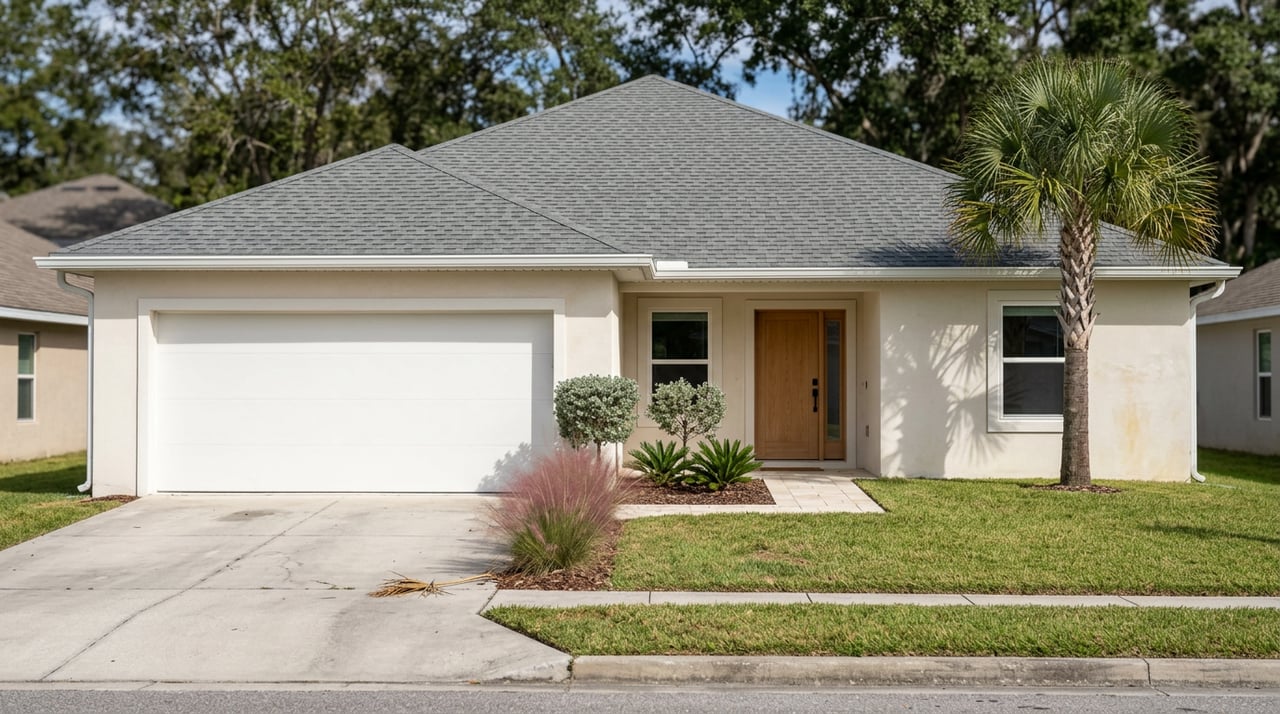
Typical rental product includes 2 to 3 bedrooms, 1 to 2 baths, and about 1,100 to 1,900 square feet. Across the city, many 3-bedroom single-family rentals fall in the $1,800 to $2,500 range depending on location and condition, consistent with RentCafe’s recent averages.
Neighborhood and seasonality notes
Coastal and island-adjacent areas, such as Bradenton Beach and the Longboat Key area, command premium prices and often lean toward vacation-rental demand. Inland neighborhoods and master-planned communities like Lakewood Ranch tend to be popular for long-term rentals. Seasonality matters. Winter demand from visitors can affect both short-term and long-term vacancy patterns. For local hazard and flood resources that inform underwriting, review the City’s floodplain and preparedness page.
Short-term vs long-term rentals
If you plan to operate a short-term rental inside the City of Bradenton, you must follow the city’s registration and standards. The City requires a certificate for transient rentals and enforces rules on occupancy, parking, and taxes. Read the City’s vacation-rental page and confirm your property’s address jurisdiction before you buy or reposition a unit: City of Bradenton vacation rentals. Also review HOA covenants, since many associations set rental rules or registration steps of their own.
Financing your purchase
Conventional investor loans
Conventional 30-year fixed mortgage rates have hovered near 6.0% in early March 2026, based on recent reporting of Freddie Mac’s weekly survey. Investor pricing is typically a bit higher than owner-occupied rates. See the latest context here: Mortgage rates hold steady.
For single-family investment properties, many lenders assume 15 to 25% down. Pricing often pushes experienced investors toward 20% down. Conforming investor guidelines cap loan-to-value for 1-unit investments below primary-residence limits. Review high-level LTV guidance from Homebuyer.com’s summary of Freddie Mac rules. Terms vary by lender, credit, and reserves.
DSCR and portfolio programs
If you plan to scale faster or qualify based on property cash flow rather than personal income, consider DSCR loans. These programs underwrite to the property’s rent, require more equity and a higher rate, and can help you build a portfolio when W-2 income would limit you. For an overview, see this DSCR primer and then speak with a local lender who originates investor products.
Taxes, insurance, and risk management
Property taxes and Florida income tax
Florida does not levy a state individual income tax. Your property tax bill will include county, city, school district, and special district line items. Rental homes do not receive the Florida homestead exemption unless they are your primary residence. Review exemption basics via the Manatee County Property Appraiser, and use the county’s tax estimator at the parcel level when you underwrite a deal.
Insurance costs and flood exposure
Landlord insurance in Florida is expensive and can change quickly. Premiums depend on wind exposure, roof age and type, replacement cost, prior claims, and mitigation features. Many carriers have tightened underwriting statewide, and Citizens has taken a larger market share in recent years. For an overview of Florida’s insurance environment, review Forbes Advisor’s guide, then get quotes early in your process.
Flood is a separate policy. Many Bradenton addresses sit in or near FEMA flood zones or surge-prone areas. Check your flood zone and lender requirements using the City’s floodplain resources, and ask for an elevation certificate if available.
Landlord laws you must follow
Florida’s landlord-tenant rules are set by state law. Get familiar with deposits, notices, and timelines before you draft your lease or start an eviction. For example, see the statute on handling security deposits in Florida Statute 83.49. Your attorney or property manager can help with lease language and enforcement.
Property management that fits your plan
Many single-family investors partner with a local property manager to protect time and reduce vacancy. Full-service management fees commonly run about 7 to 12% of collected rent, with separate leasing and renewal fees. Industry surveys often cite an average near 8%, plus setup, inspection, or maintenance markups depending on the contract. For context, see this overview of PM profitability and fees from Second Nature.
Questions to ask before you sign a PM agreement:
- What is included in the monthly fee, and what is extra?
- How do you screen residents, handle lease enforcement, and process renewals?
- What is the repair authorization limit, and how are bids handled?
- Which marketing channels do you use to fill a vacancy?
- How often will I receive owner statements and rent disbursements?
Underwriting basics that work in Bradenton
Simple rules of thumb
Use quick screens to prioritize deals, then run a full pro forma.
- The 1% rule (monthly rent equals 1% of price) is a rough filter. In Bradenton, many solid homes will not meet this target, so treat it as a screen, not a hurdle.
- Operating expenses: Many investors model 40 to 60% of gross rent for taxes, insurance, routine maintenance, management, and landlord-paid utilities. Add reserves for capex.
- Vacancy: The region’s vacancy has been higher than 2020 to 2022. Model 6 to 12% or more depending on your submarket and strategy. HUD’s regional profile is a useful benchmark.
Example scenarios (illustrative)
Always confirm numbers with current comps, a property-specific tax estimate, and insurance quotes.
Scenario A — Core buy-and-hold 3BR
- Purchase price: $350,000.
- Rent: $2,282 per month, based on RentCafe’s recent 3BR average.
- Financing: 20% down ($70,000), loan $280,000, 30-year fixed at 6.0%. Estimated principal and interest about $1,679 per month. Rate context.
- Management: 8% of rent, about $183 per month. PM fee context.
- Simple cash flow before taxes, insurance, maintenance, HOA, and vacancy: $2,282 − $1,679 − $183 ≈ $420 per month. Once you add property taxes, insurance, maintenance reserves, HOA, and vacancy, cash flow may turn thin or negative unless price or rent improves. Use the county’s tax estimator and get insurance quotes early.
Scenario B — Value-add play
- Purchase: $280,000 for a dated home.
- Renovation: $40,000 in targeted updates.
- Rent lift: From $1,800 to $2,200 per month after rehab and lease-up.
- Notes: Include carrying costs, lease-up vacancy, and a rehab contingency. Consider short-term bridge or higher down payment during the rehab phase.
Scenario C — Portfolio scale with DSCR
- Strategy: Use DSCR loans underwritten to property income to add homes without W-2 limits.
- Terms: Expect higher rates and 20%+ equity compared with conventional investor loans.
- Action: Request term sheets from multiple DSCR lenders. Start with an overview like this DSCR explainer, then compare offers.
Action checklist for Bradenton investors
- Pull recent comps for the last 90 days and rent comps from current listings. Confirm condition and HOA rules before offering.
- Use the Manatee County tax estimator and confirm that rental properties do not receive the homestead exemption. Review exemption basics.
- Check flood zone, elevation, and evacuation information using the City’s floodplain resources.
- If you plan a short-term rental inside city limits, read the City’s vacation-rental page and verify HOA rules.
- Get at least two insurance quotes. Ask about roof age, wind mitigation credits, and flood requirements. Review Florida insurance context.
- Discuss both conventional investor loans and DSCR options with lenders. Compare pricing and reserves. Start with a DSCR overview and a conforming LTV summary.
Final thoughts
Bradenton offers a flexible lane for single-family rentals, from classic in-town homes to master-planned communities that attract long-term residents. Today’s numbers call for careful underwriting. Model conservative vacancy, price in insurance and taxes, and get local rent comps before you write. If you want a partner who knows Manatee and Sarasota submarkets, can help you source deals, and can connect you with lenders, insurance pros, and property managers, we are here to help.
Ready to map your investment plan or underwrite a specific property? Schedule your free consultation with Julian Germinal.
FAQs
What are typical rents for a 3-bedroom single-family in Bradenton?
- Recent averages point to about $2,282 per month for 3-bedroom homes citywide, based on RentCafe’s market data; verify with current local comps.
How has vacancy changed in the Bradenton metro?
- HUD reports higher vacancy in 2024–2025 compared with 2020–2022, which can soften rent growth; see the regional profile.
What down payment do I need for an investment property?
- Many lenders require 15 to 25% down for single-family investor loans, with pricing often best at 20%; program terms vary by lender and credit.
Do rental properties get the Florida homestead exemption in Manatee County?
- No, the homestead exemption applies to your primary residence; review exemption details from the Manatee County Property Appraiser.
How do I estimate property taxes before I offer?
- Use the county’s parcel-level tax estimator and adjust for the purchase price and any non-homestead status.
What insurance costs should I expect for a Bradenton rental?
- Florida premiums are among the highest in the U.S. and vary by roof, wind mitigation, flood zone, and replacement cost; get quotes early and review statewide context.
Are short-term rentals allowed in the City of Bradenton?
- Yes, but you must register and follow the City’s standards on occupancy, parking, and taxes; review the City’s vacation-rental rules.